7 HVAC maintenance habits that cut energy bills for Kenyan facilities
Air conditioning and ventilation are often the largest electricity cost in offices, hospitals and hotels. These seven habits keep systems efficient, r...
Read moreSizing, temperature, insulation and energy choices that decide whether a cold room protects your produce, or quietly eats your margins. Lessons from pack houses and EPZ projects across Kenya.
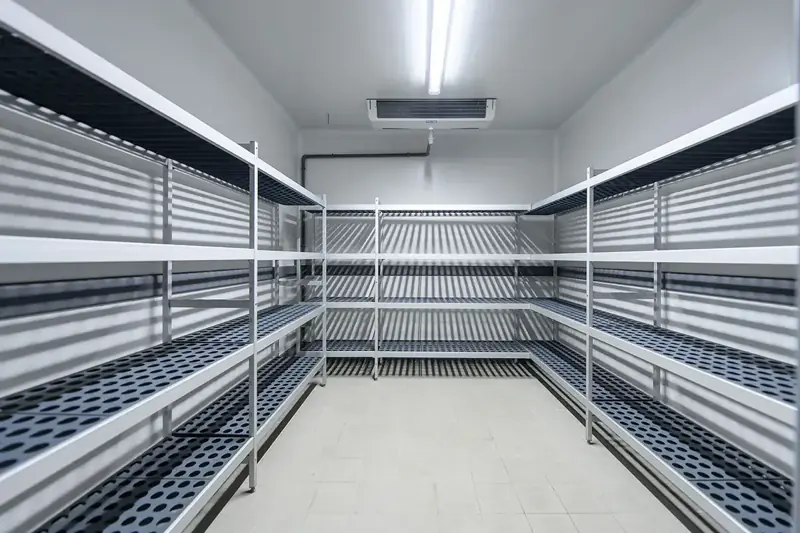
For avocado, macadamia, flower and fresh-produce exporters in Kenya, the cold room is where profit is protected or lost. A well-engineered store keeps product at a stable temperature and humidity for weeks. A poorly specified one leads to rejected consignments, high power bills and constant breakdowns.
Here is what we look at on every cold room project, from small pack houses to large export-processing-zone stores.
Every crop has its own ideal conditions. Avocados typically store at around 5–7 °C, many leafy vegetables near 0–2 °C, and dried nuts need low humidity rather than very low temperature. We size the system around:
Insulated sandwich panels (PU or PIR) form the envelope. Thicker panels cost more up front but reduce running costs for years. Floors need insulation and a vapour barrier, and freezer rooms need floor heating to prevent frost heave. Strip curtains or high-speed doors on busy entrances pay for themselves quickly.
| Option | Best for | Notes |
|---|---|---|
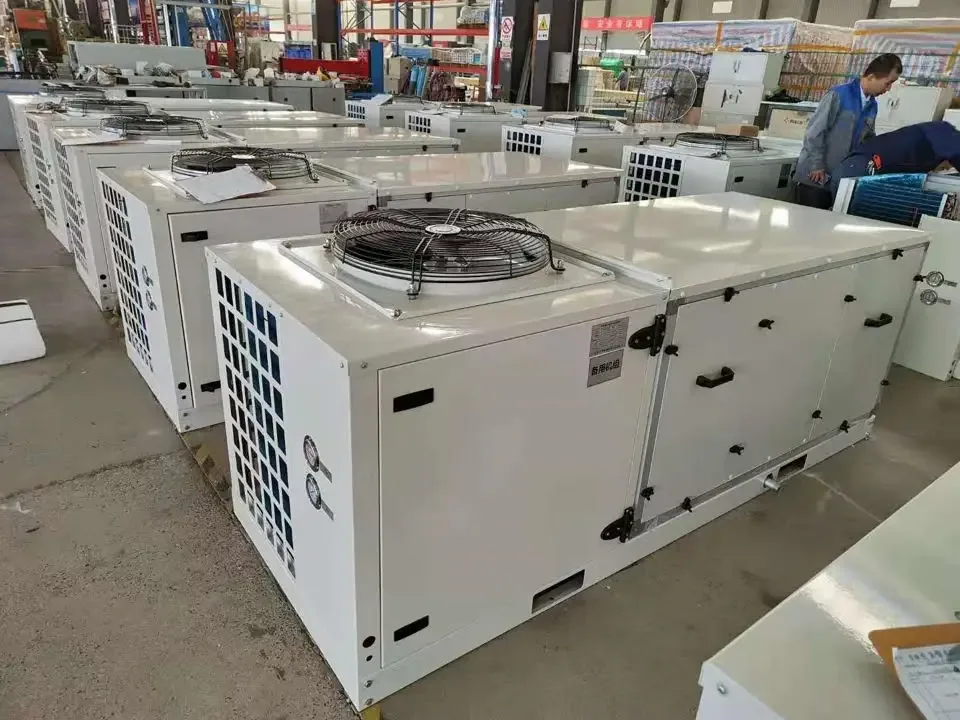
| Condensing unit + evaporator | Small to medium rooms | Simple, economical, easy to service |
| Multi-compressor rack | Larger stores, several rooms | Redundancy if one compressor fails |
| Heat-recovery systems | Facilities needing hot water | Reuses rejected heat, cutting energy use |
At Farm Gate EPZ in Mombasa we installed a 1,680 m² macadamia store holding 17–21 °C at 50–60 % RH with heat recovery, combining precise control with lower energy use.
Grid interruptions are a reality in many parts of Kenya and Africa. We plan for:
Dirty condenser coils, failing door seals and refrigerant leaks quietly raise power consumption. A planned maintenance contract, with quarterly coil cleaning, leak checks and controller calibration, typically costs far less than one lost consignment.
Share your product, volumes and site location and our engineers will recommend a right-sized system with a clear, itemised quote.
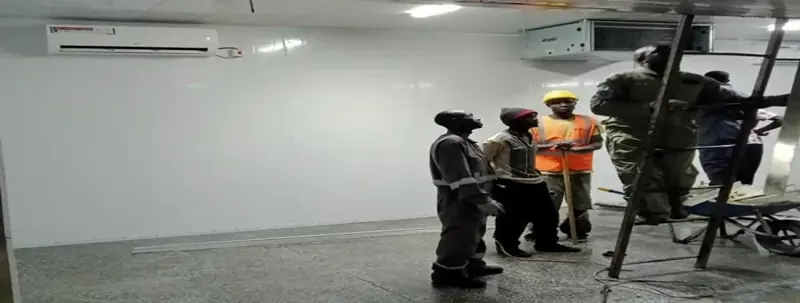 Maintenance tips
Air conditioning and ventilation are often the largest electricity cost in offices, hospitals and hotels. These seven habits keep systems efficient, r...
Read more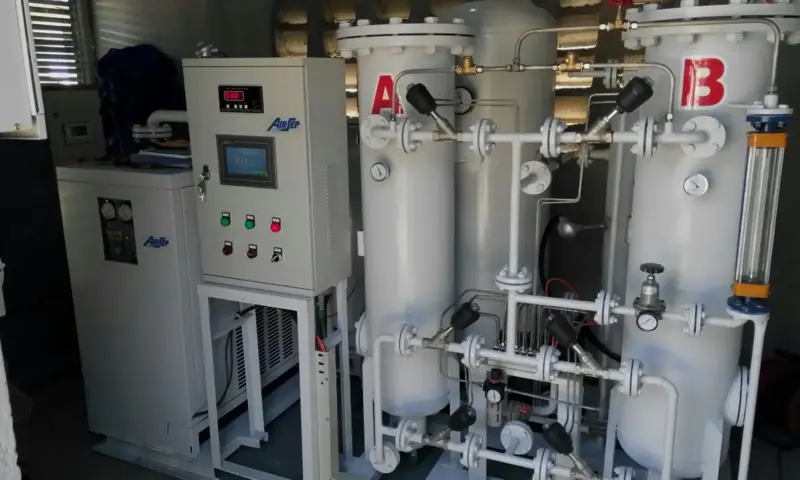 Healthcare systems
On-site oxygen generation gives hospitals a reliable supply and lower running costs than cylinders. Here is what to consider, from capacity and purity...
Read moreTell us about your site and an engineer will get back to you within one working day, anywhere in Kenya or across Africa.
Typically replies in minutes
How was your experience?